wallpaper
Inspired by the 1970s mountain lodges of the Berkshires, Midnight Lodge captures the feeling of arriving just after dusk—when the sky turns inky blue and the treetops dissolve into silhouette. The pattern traces the rhythm of pine forests, cabin gables, and the nostalgic geometry of vintage ski maps. Subtle linework hints at the glow of lodge windows, suggesting stories unfolding just beyond view. Designed as both a backdrop and a narrative, this wallpaper holds a sense of escape—an invitation to step into a world where time slows, fireplaces crackle, and the night belongs entirely to you.
In the late 1800s, wallpaper shifted from a luxury to an accessible art form. British designer William Morris challenged the era’s formality with hand-drawn floral patterns inspired by his garden—designs that eventually spread from England to cities like New York, Chicago, and Denver.
Drawing from that legacy, Xing reimagines wallpaper through a Colorado lens. Hand-sketched mountain ranges are layered with Victorian motifs, forming a landscape that reveals hidden characters and objects to those who look closely.
2023
Berkshires Retro Retreat
Inspired by the 1970s mountain lodges of the Berkshires, Midnight Lodge captures the feeling of arriving just after dusk—when the sky turns inky blue and the treetops dissolve into silhouette. The pattern traces the rhythm of pine forests, cabin gables, and the nostalgic geometry of vintage ski maps. Subtle linework hints at the glow of lodge windows, suggesting stories unfolding just beyond view. Designed as both a backdrop and a narrative, this wallpaper holds a sense of escape—an invitation to step into a world where time slows, fireplaces crackle, and the night belongs entirely to you.
2020
Victorian Peaks
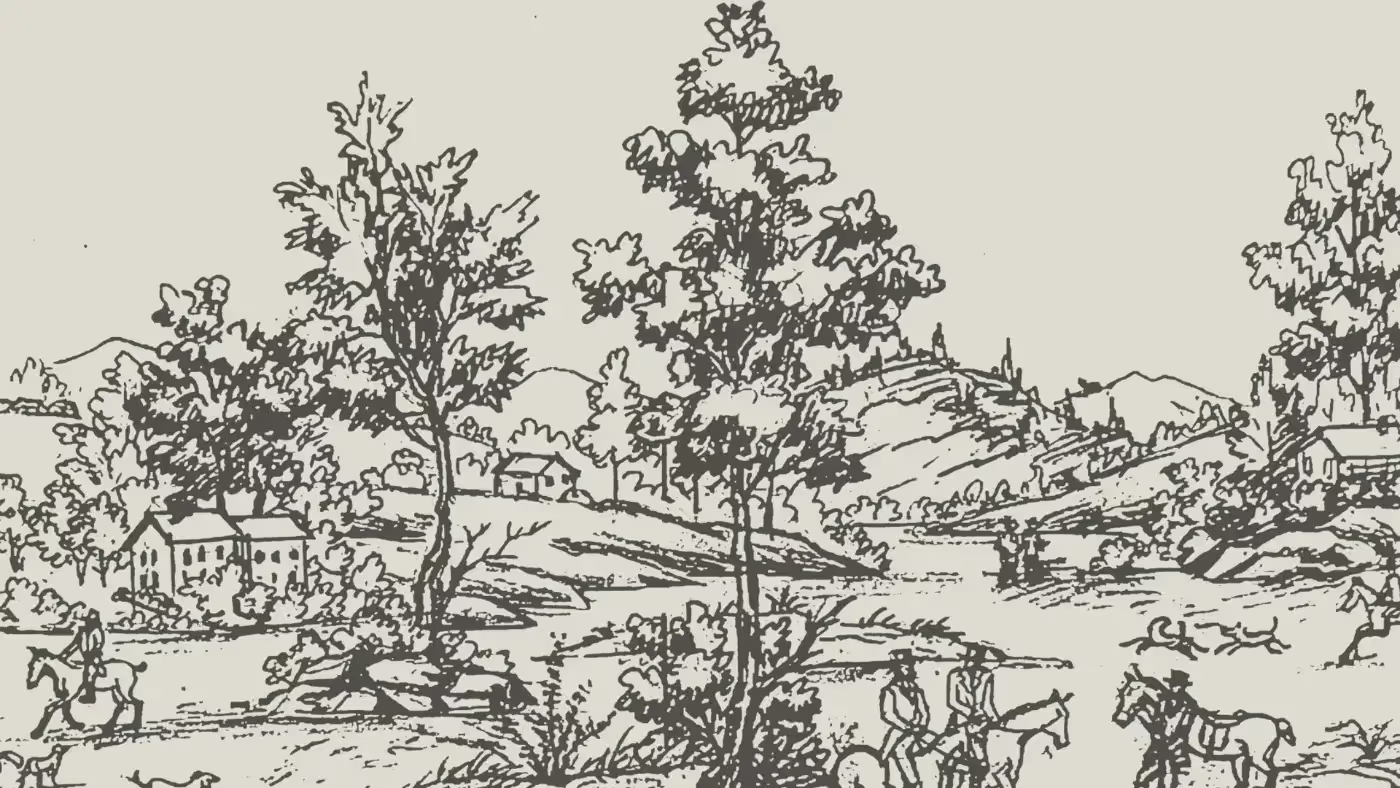
In the late 1800s, wallpaper shifted from a luxury to an accessible art form. British designer William Morris challenged the era’s formality with hand-drawn floral patterns inspired by his garden—designs that eventually spread from England to cities like New York, Chicago, and Denver.
Drawing from that legacy, Xing reimagines wallpaper through a Colorado lens. Hand-sketched mountain ranges are layered with Victorian motifs, forming a landscape that reveals hidden characters and objects to those who look closely.
.avif)
ceramics
Under Tension examines how pressure shapes form. Each ceramic work is bound and compressed, allowing force, gravity, and material resistance to guide its final shape. No two pieces resolve the same way — each is a singular study in restraint, structure, and response.
2017
Under Tension
Under Tension examines how pressure shapes form. Each ceramic work is bound and compressed, allowing force, gravity, and material resistance to guide its final shape. No two pieces resolve the same way — each is a singular study in restraint, structure, and response.
.avif)
painting
This drawing explores the figure through reduction and balance. The body is constructed as a composed form rather than a likeness, emphasizing proportion, weight, and posture. By stripping the figure to essential lines, the work focuses on presence and stillness—where form carries meaning through restraint.
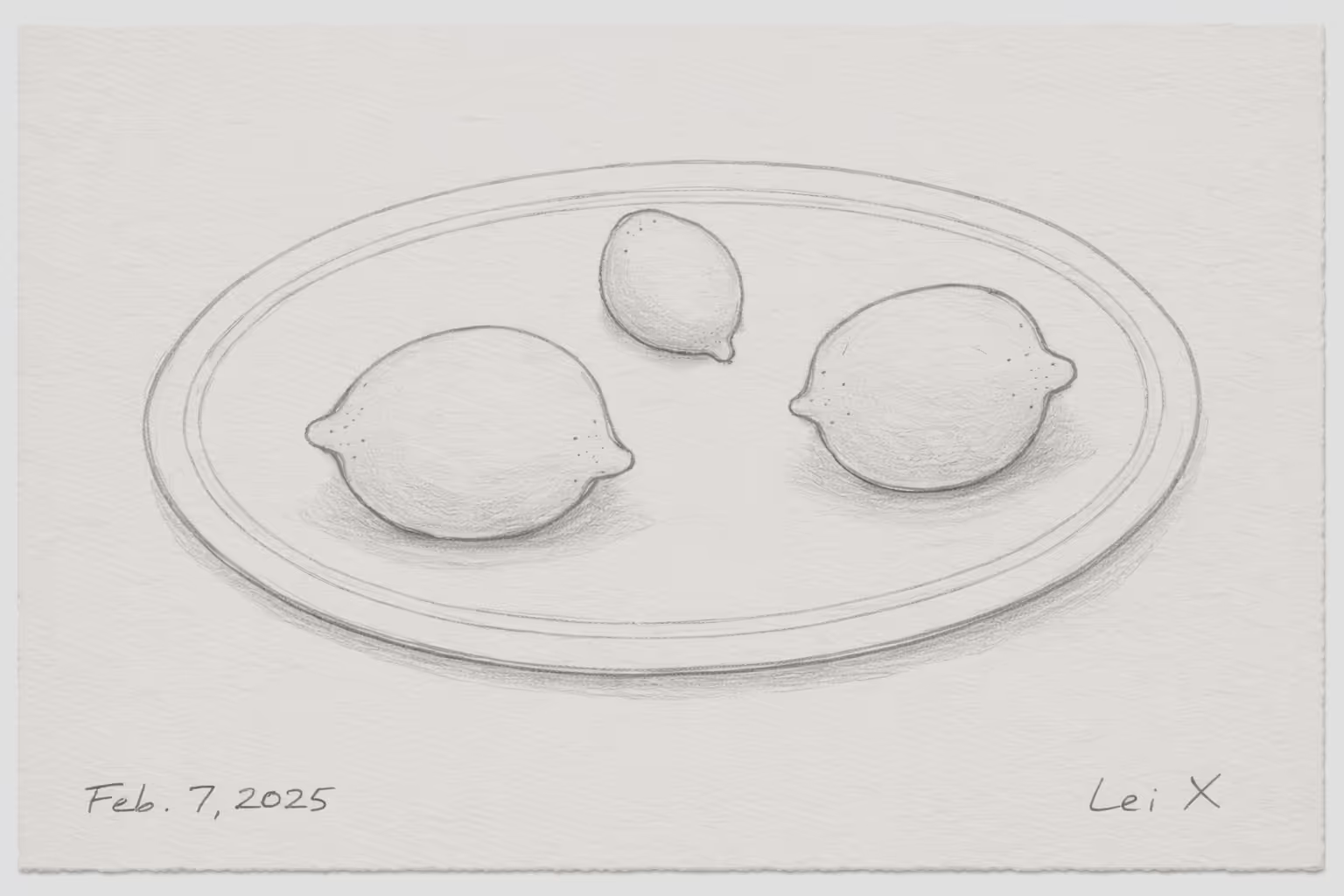
This work explores balance through reduction and spacing. Three lemons are arranged within a simple boundary, allowing line, proportion, and subtle variation to define the composition. The drawing treats the still life as a study in restraint, where attention to form and placement carries the weight of the image.
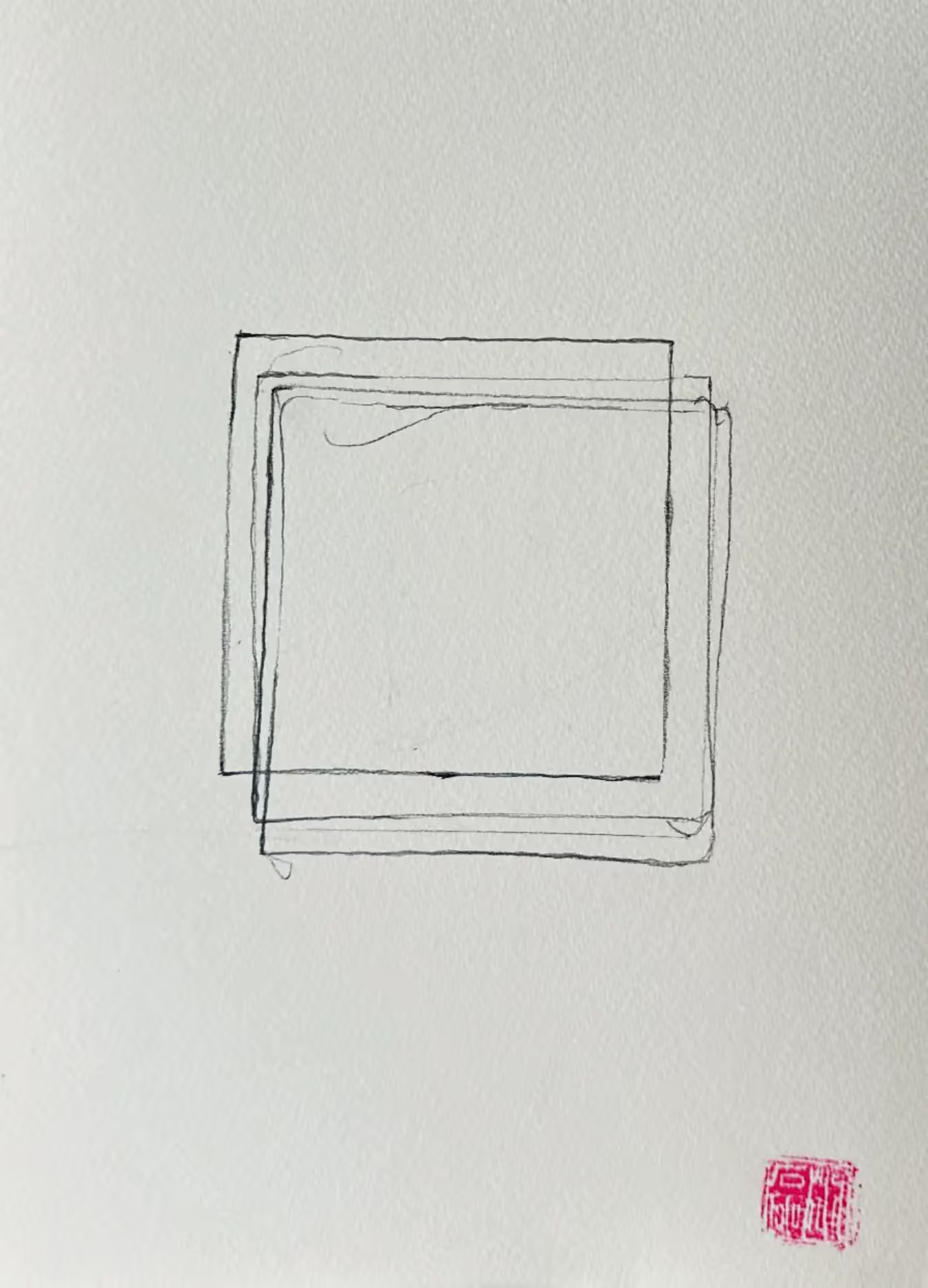
This drawing explores repetition, memory, and omission through simple geometric form. Three squares overlap and repeat, their edges traced with slight variation, suggesting both persistence and instability. A single triangle—implied rather than centered—functions as a quiet absence, something acknowledged only by its exclusion. The work reflects on how structure is formed not only by what is present, but by what is forgotten or left unresolved. Line weight and irregularity preserve the hand of the drawing, allowing imperfection to carry meaning.
2024
Sunday Afternoon
This drawing explores the figure through reduction and balance. The body is constructed as a composed form rather than a likeness, emphasizing proportion, weight, and posture. By stripping the figure to essential lines, the work focuses on presence and stillness—where form carries meaning through restraint.
.avif)
2024
An Ordinary Measure
This work explores balance through reduction and spacing. Three lemons are arranged within a simple boundary, allowing line, proportion, and subtle variation to define the composition. The drawing treats the still life as a study in restraint, where attention to form and placement carries the weight of the image.
2022
Three Squares and one Forgotten Triangle
This drawing explores repetition, memory, and omission through simple geometric form. Three squares overlap and repeat, their edges traced with slight variation, suggesting both persistence and instability. A single triangle—implied rather than centered—functions as a quiet absence, something acknowledged only by its exclusion. The work reflects on how structure is formed not only by what is present, but by what is forgotten or left unresolved. Line weight and irregularity preserve the hand of the drawing, allowing imperfection to carry meaning.
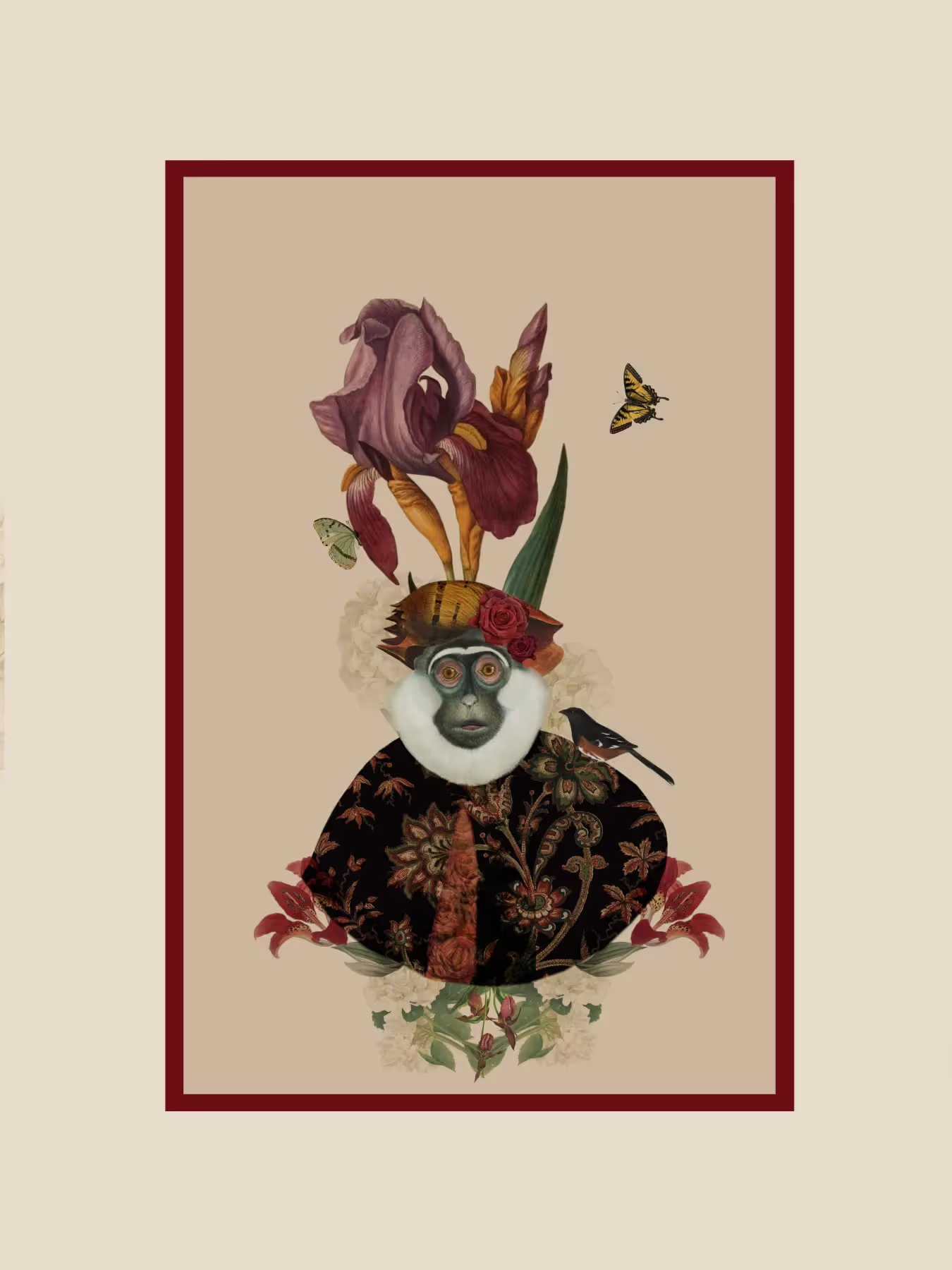
Created for the Life House Nantucket project, this artwork playfully turns the idea of a formal portrait on its head. A well-dressed primate, crowned with flowers and fluttering companions, takes center stage as an unlikely host—curious, mischievous, and entirely self-possessed. Part island folklore, part inside joke, the piece celebrates Nantucket’s natural beauty with a wink, inviting guests to slow down, look closer, and enjoy the unexpected.
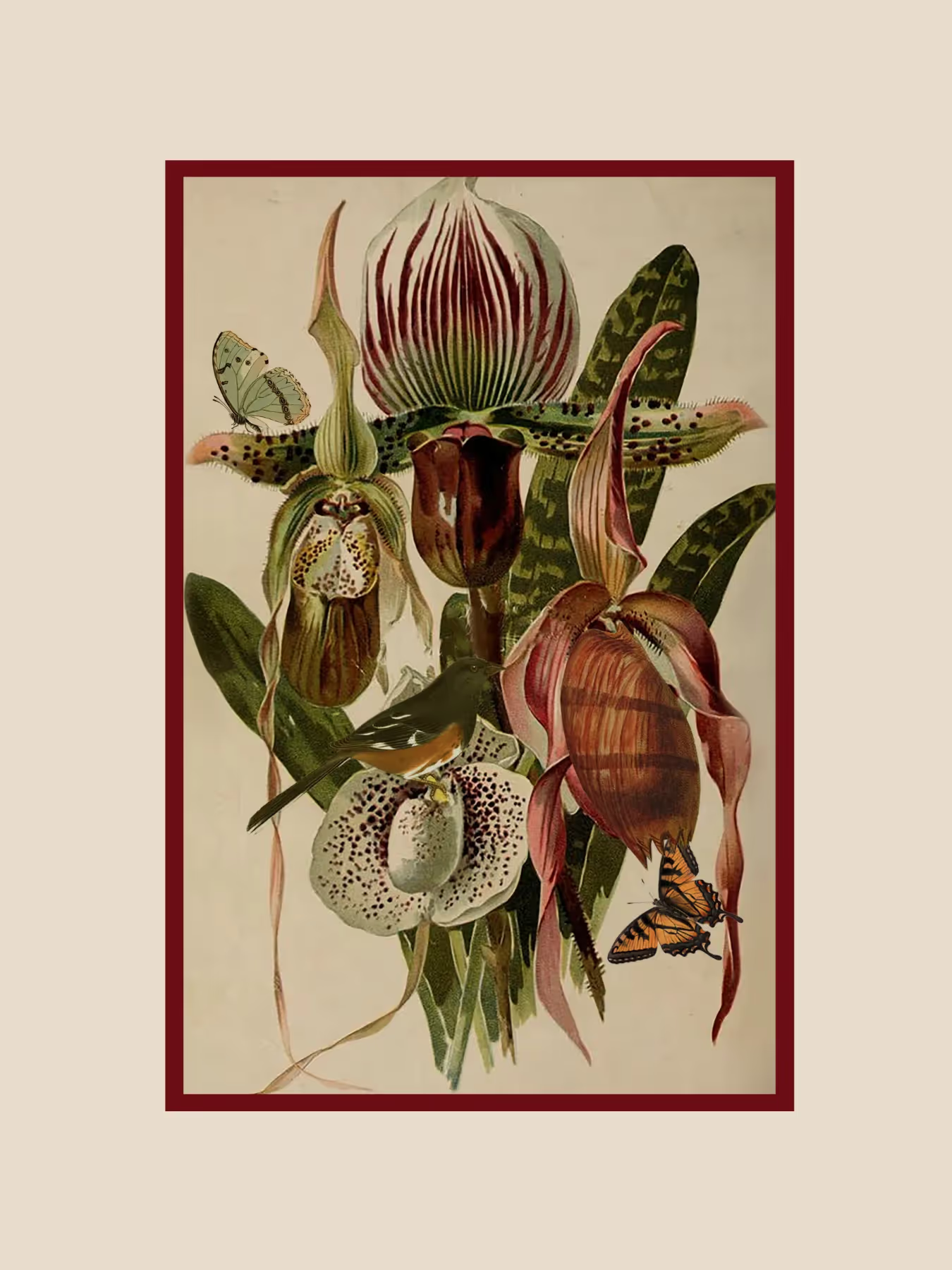
This piece brings together lush botanicals, butterflies, and a curious bird in a moment that feels both carefully composed and delightfully accidental. Part botanical study, part quiet fantasy, the work celebrates the beauty of overlap—where flora and fauna share the frame, pause together, and briefly steal the spotlight from one another. It invites the viewer to linger, noticing small gestures, hidden movement, and the joy of nature slightly out of order.
2020
The Unlikely Host
Created for the Life House Nantucket project, this artwork playfully turns the idea of a formal portrait on its head. A well-dressed primate, crowned with flowers and fluttering companions, takes center stage as an unlikely host—curious, mischievous, and entirely self-possessed. Part island folklore, part inside joke, the piece celebrates Nantucket’s natural beauty with a wink, inviting guests to slow down, look closer, and enjoy the unexpected.
2020
The Unlikely Gathering
This piece brings together lush botanicals, butterflies, and a curious bird in a moment that feels both carefully composed and delightfully accidental. Part botanical study, part quiet fantasy, the work celebrates the beauty of overlap—where flora and fauna share the frame, pause together, and briefly steal the spotlight from one another. It invites the viewer to linger, noticing small gestures, hidden movement, and the joy of nature slightly out of order.